

Premium kids Clothing Manufacturer for Your Baby Clothing Line
Making clothes for children is not making small clothes for adults. A hood drawstring that is ordinary on a men's hoodie is a prohibited hazard on a size 4. A cotton pajama set that feels like the obvious choice will usually fail the sleepwear flammability standard. A button that holds fine on a shirt has to survive a pull test before it can go on a toddler tee.
Mega Apparel is a kids clothing manufacturer producing babywear, toddler, and youth apparel for brands in the United States. We have been manufacturing since 2012; more than 2,000 clients have run production through our factory, and we start at 35 pieces per style, which is why so many baby clothing manufacturers for startups get compared against us.
Send a tech pack, a sketch, or a garment you want improved. We will flag the compliance issues at the quote stage, not after your first container has landed.
Kids and Baby Clothing We Manufacture
Baby Onesies and Bodysuits
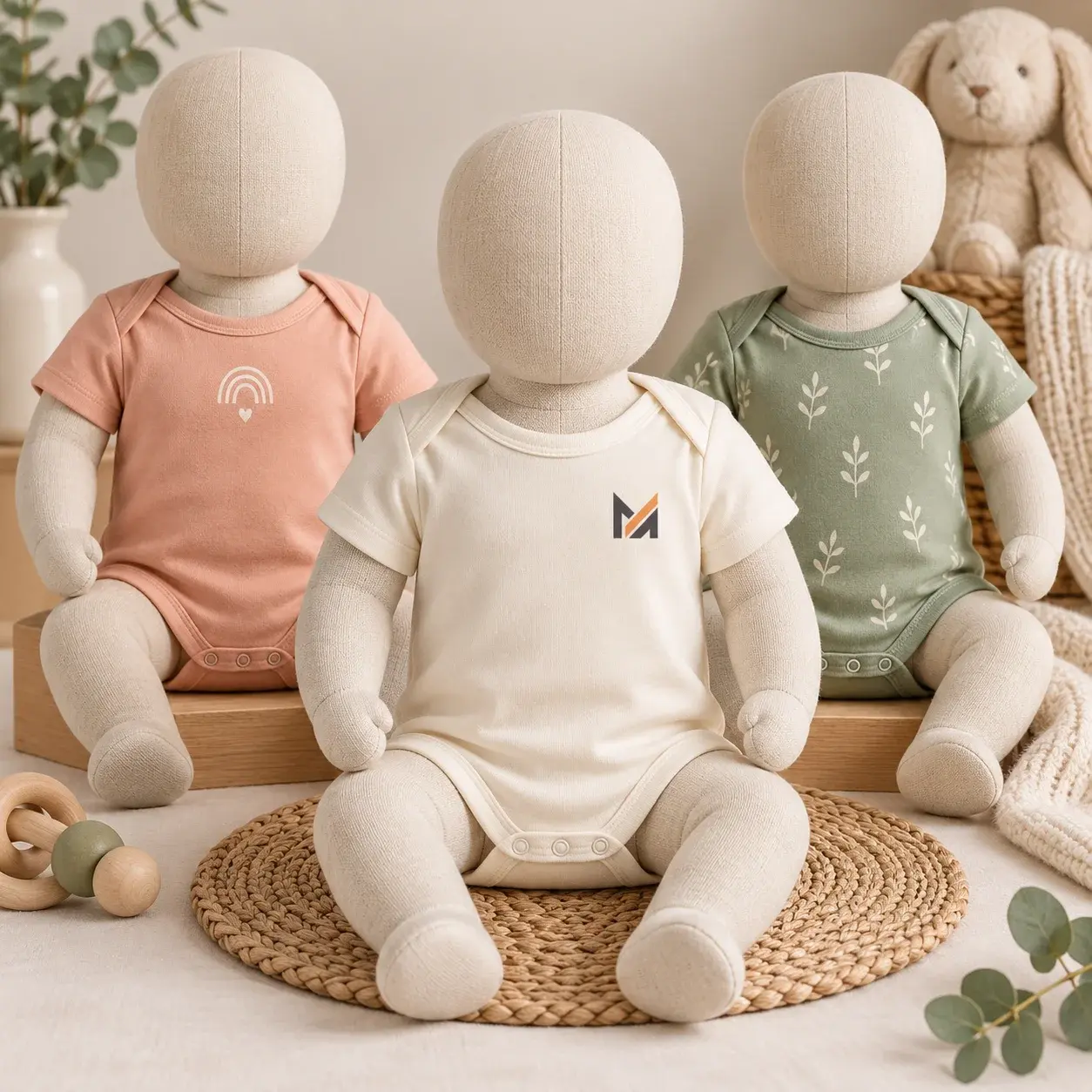
Cotton interlock and rib from 180 to 220 GSM, with a lap shoulder neckline so the garment slips over a baby's head, snap crotch closure, and flatlock seams.
Rompers and Jumpsuits
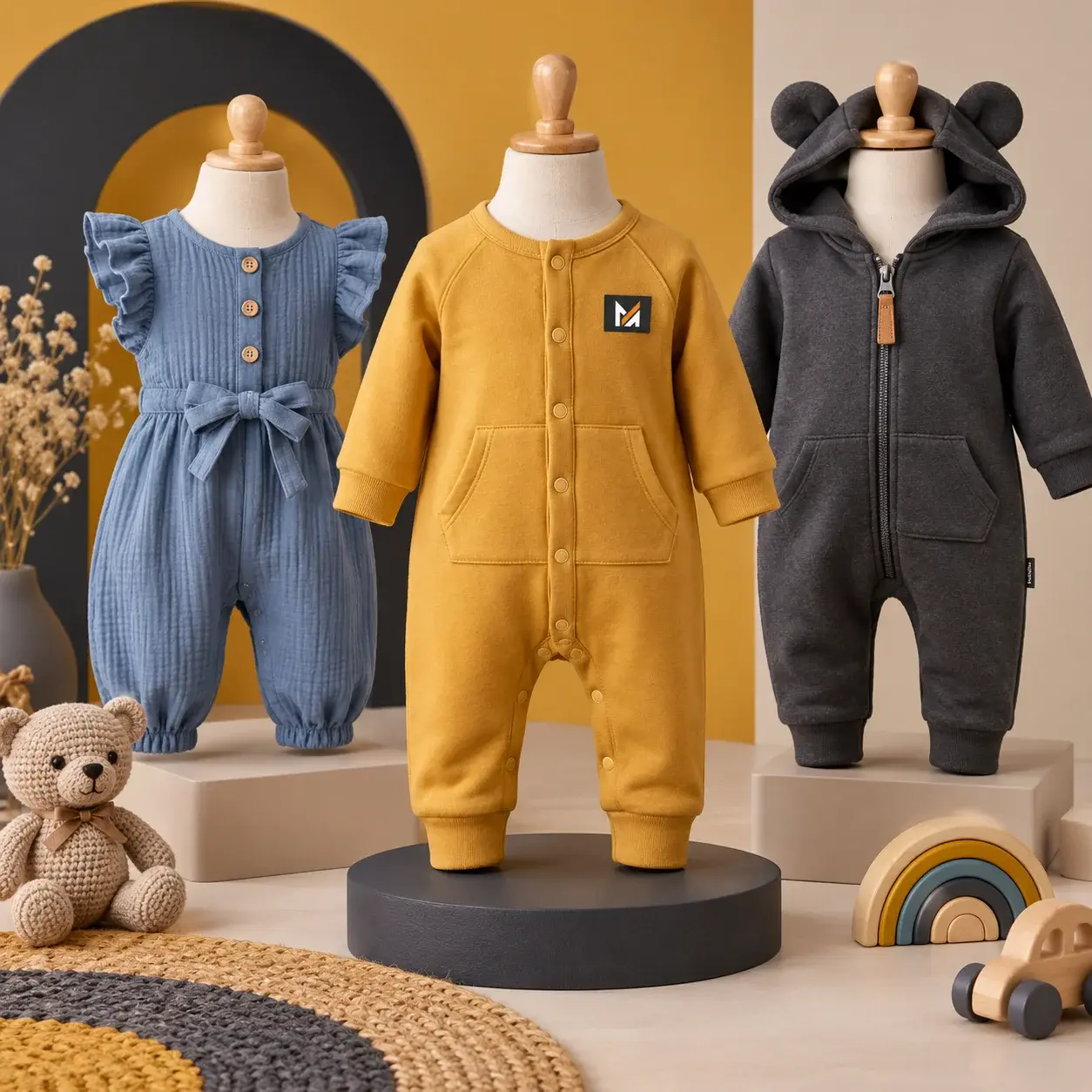
Short and long sleeve, with snap or zip fronts, covered elastic, and a cut that allows for a diaper without bunching.
Sleepsuits and Footed Sleepers
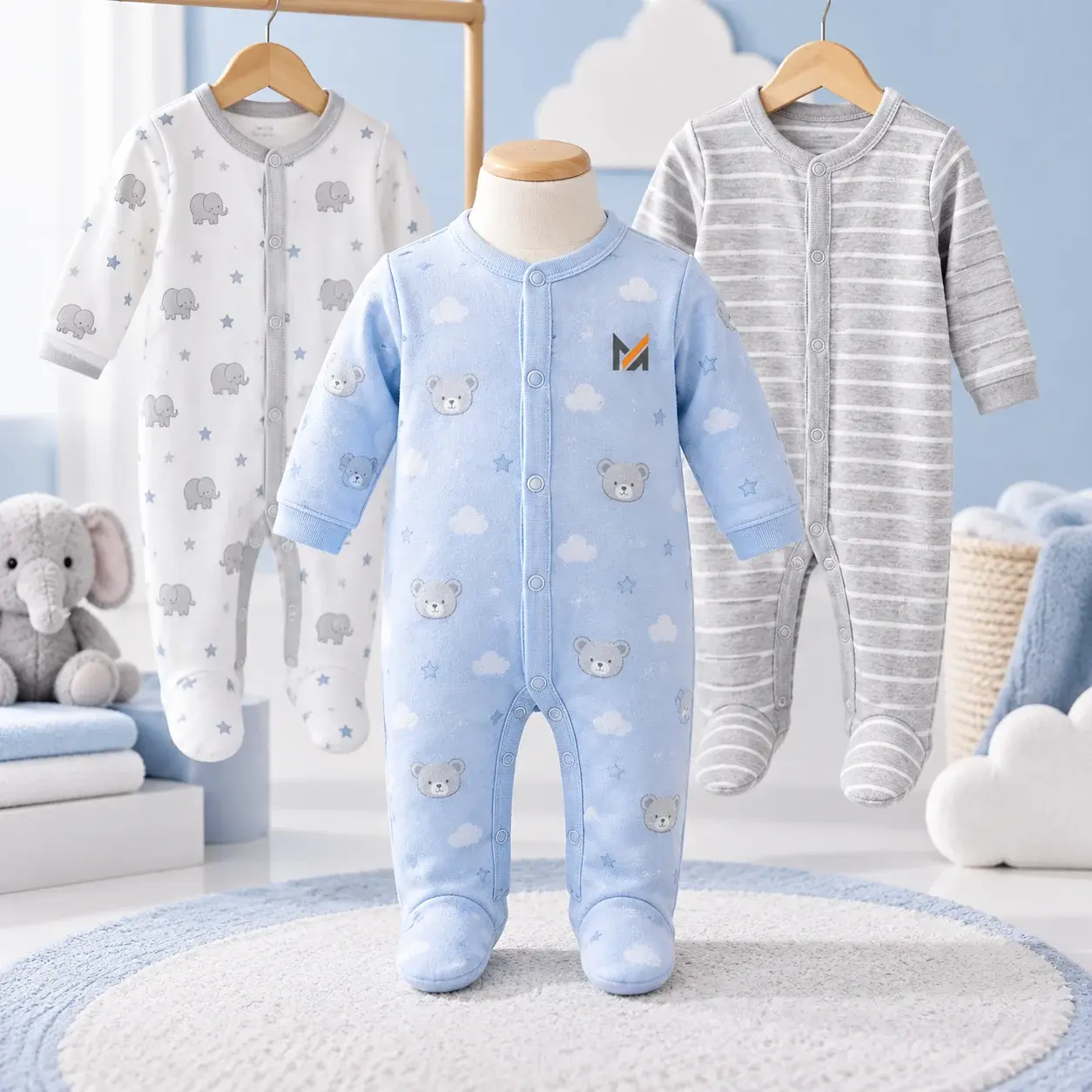
Two-way zippers so a change can be done from the bottom, a chin guard over the zipper pull, non-slip soles on footed styles, and built to the snug-fitting sleepwear route where the fabric requires it.
Kids T-shirts and Tops
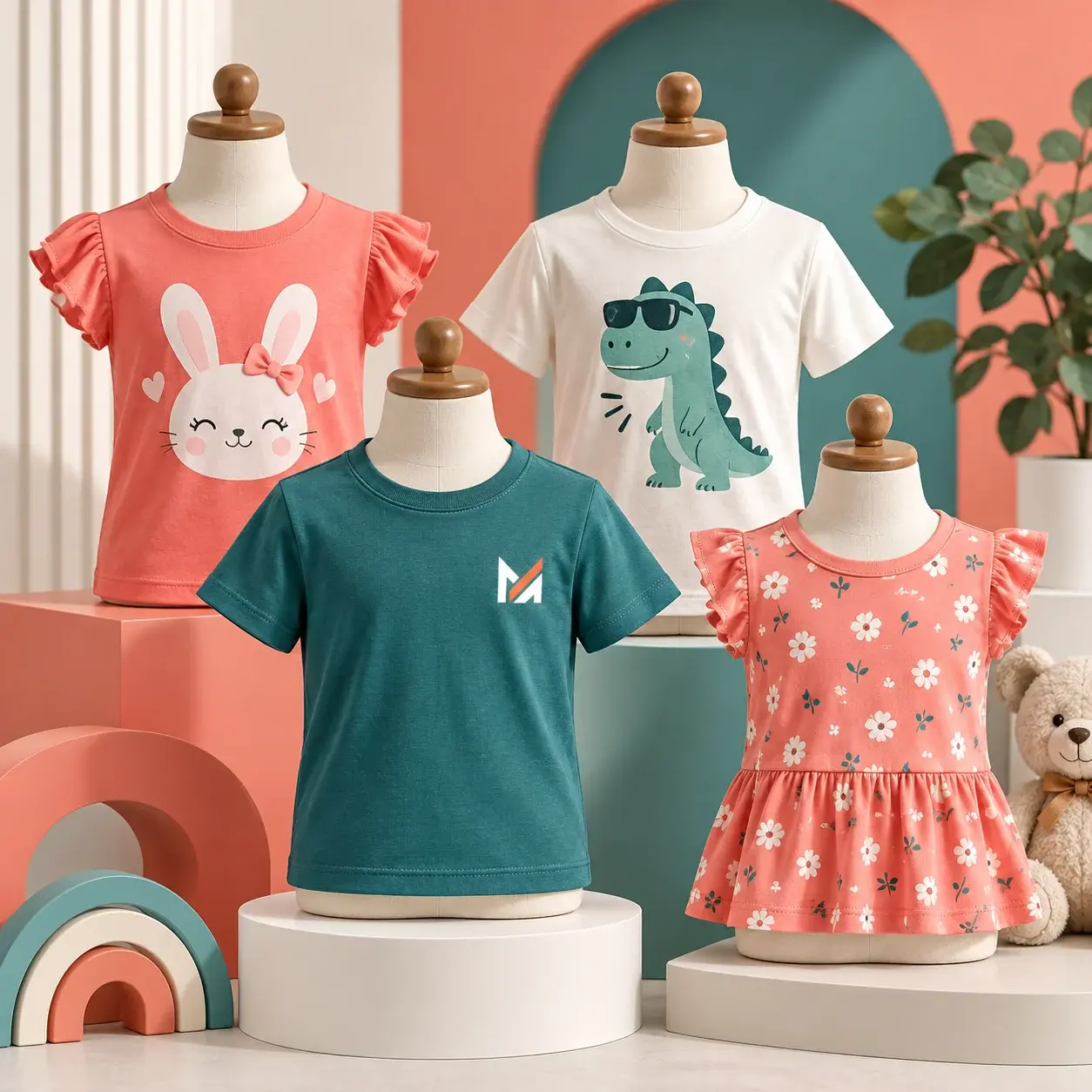
Ring spun cotton jersey from 140 to 180 GSM, crew and lap shoulder necks, and tagless heat transfer labels rather than stitched ones.
Kids Hoodies and Sweatshirts
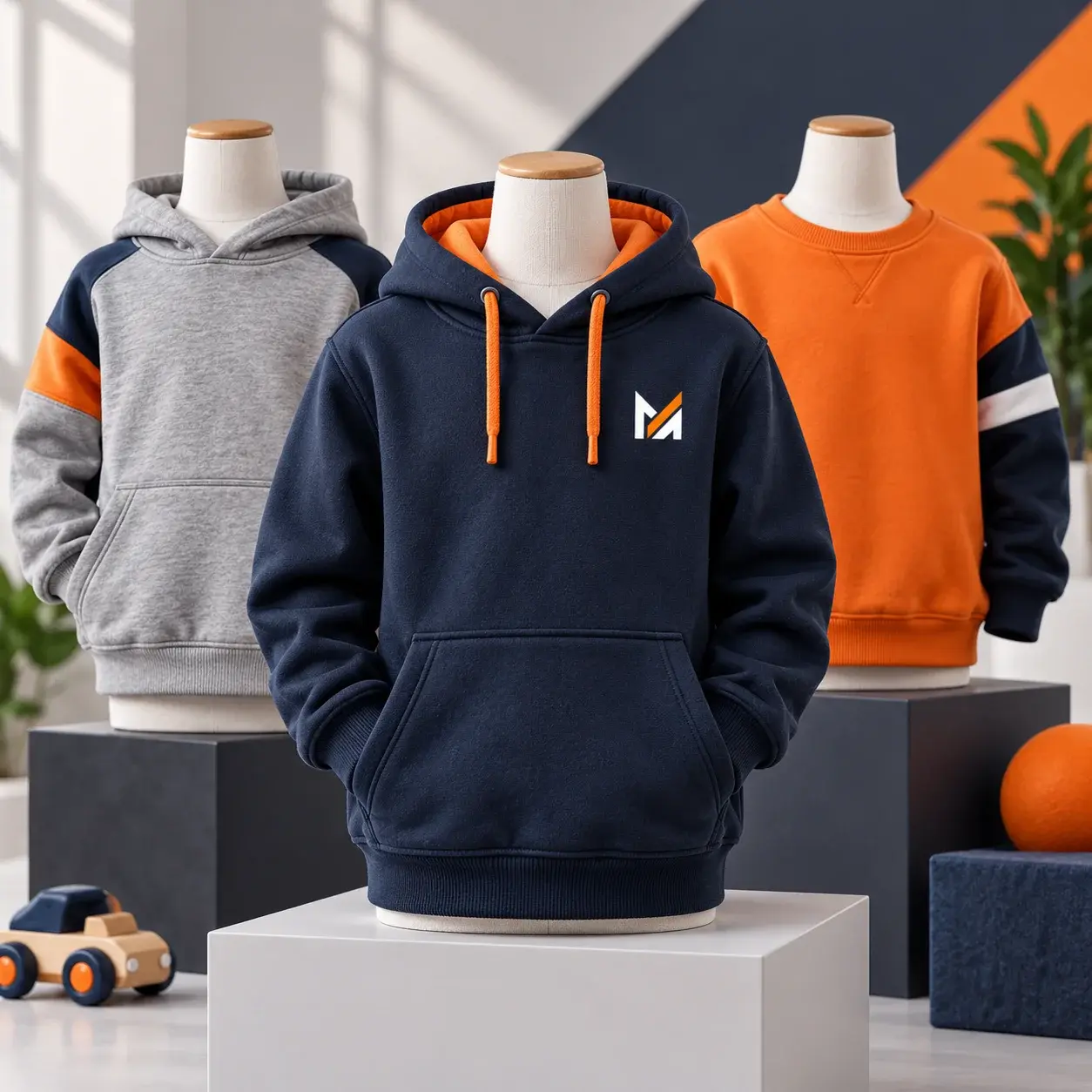
French terry and brushed fleece from 280 to 400 GSM, built without hood or neck drawstrings on regulated sizes, with ribbed cuffs and reinforced pocket bar tacks.
Baby Dresses and Sets
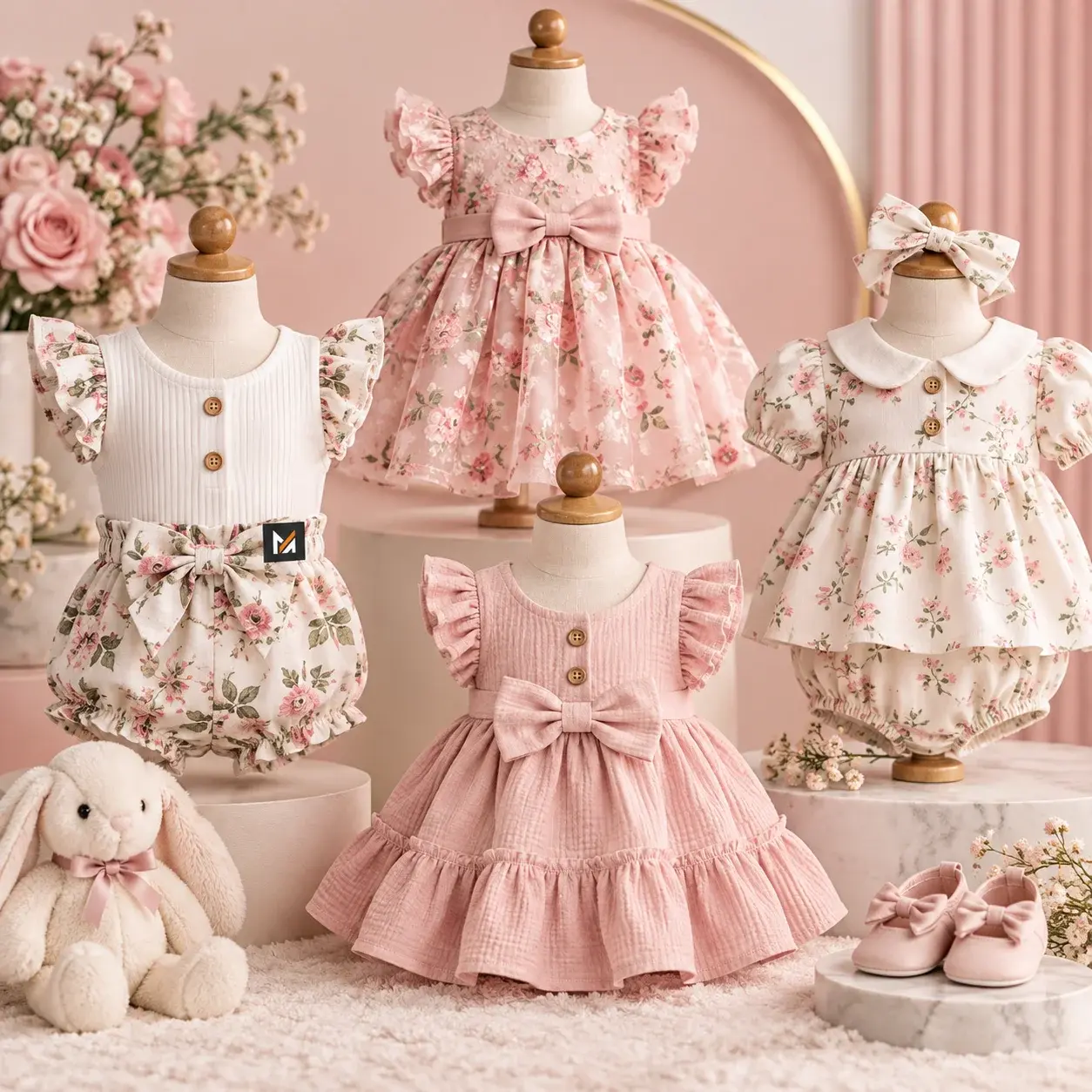
Woven and knit dresses, two-piece and three-piece sets, with covered buttons, snap closures, and lined bodices.
Kids Pants, Leggings and Joggers
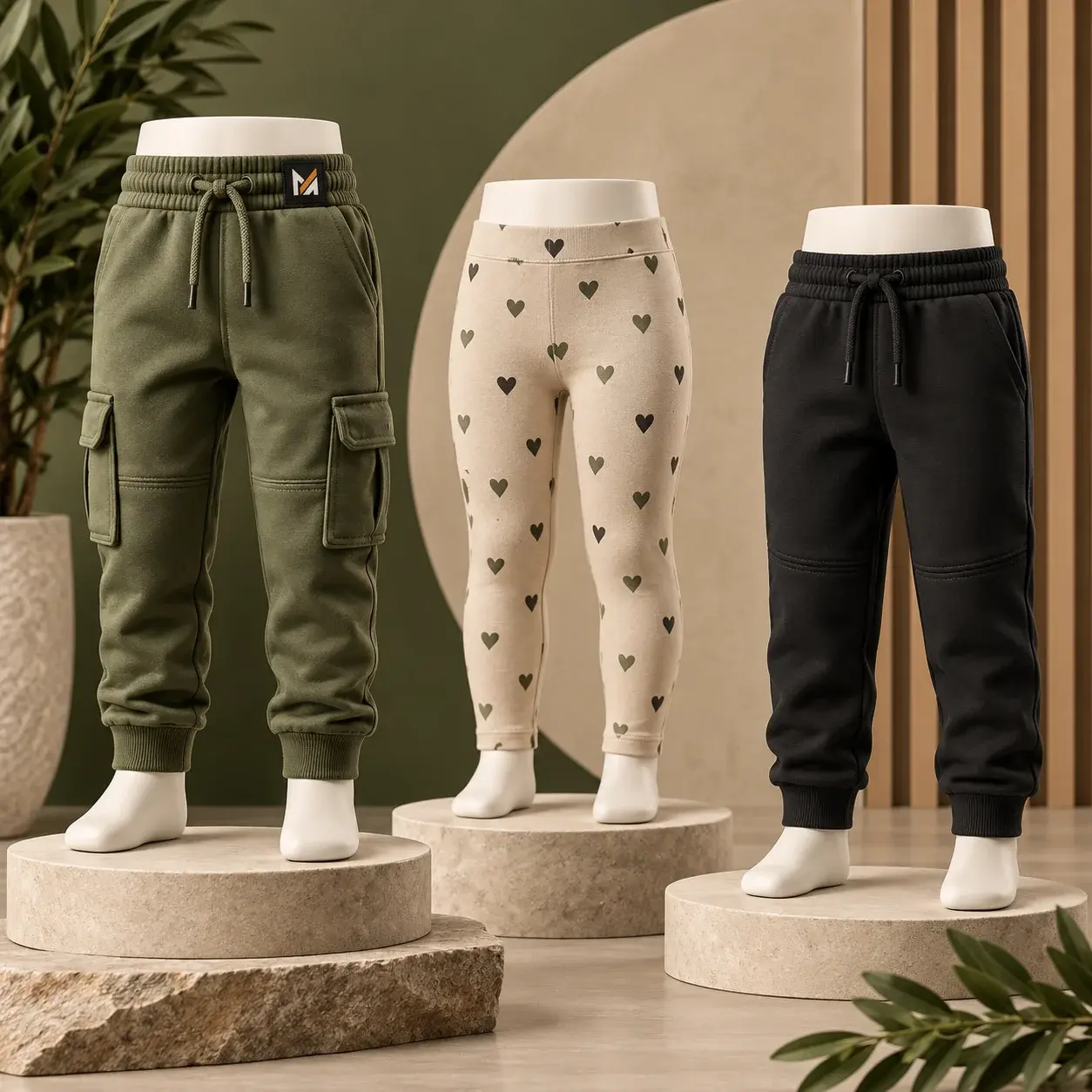
Soft elasticated and drawcord-free waists, knee reinforcement on crawling and toddler sizes, and cotton spandex for stretch.
Baby Pajamas and Sleepwear
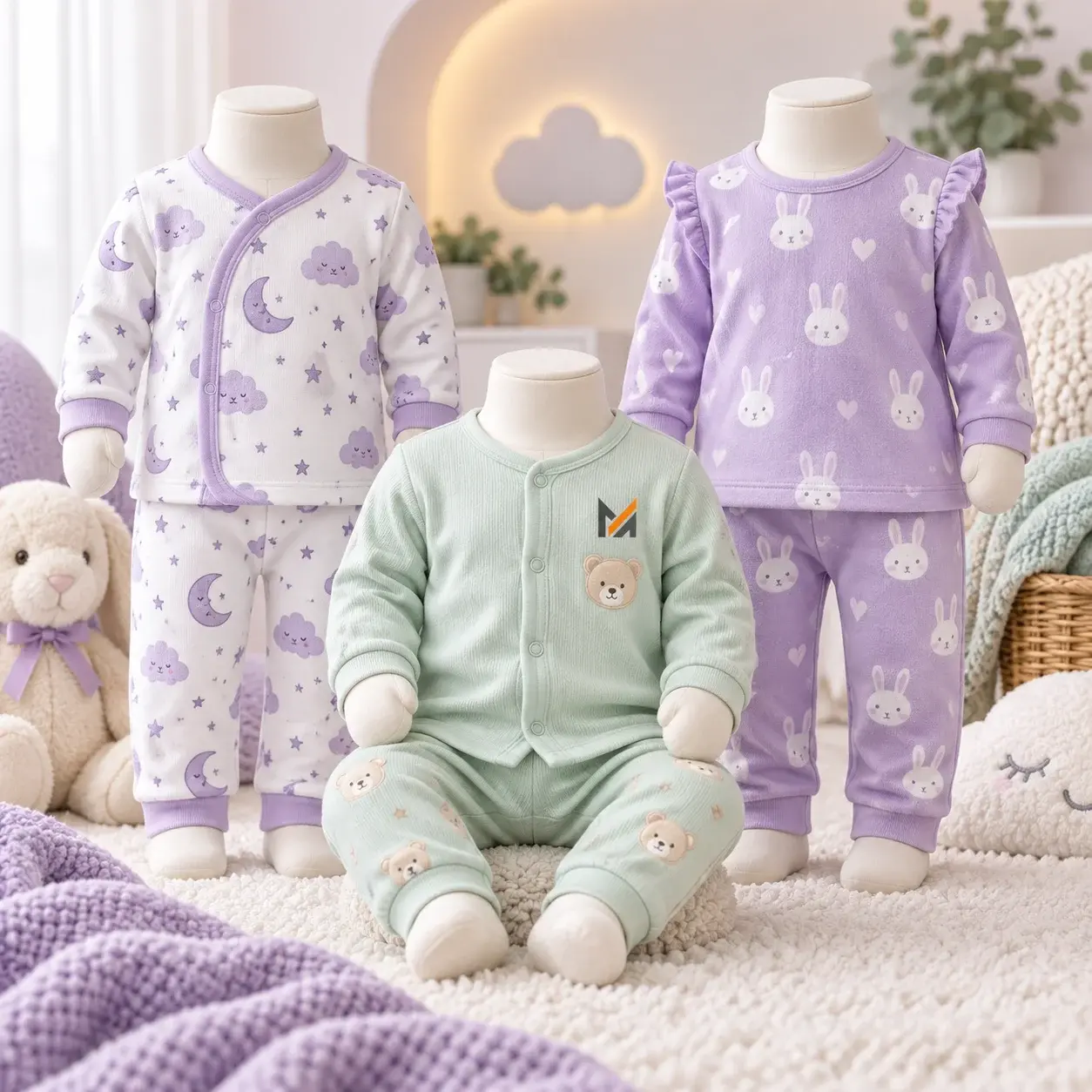
Produced either as flame-resistant constructions or to the snug-fitting definition with the required permanent label and hang tag wording.
Kids Outerwear
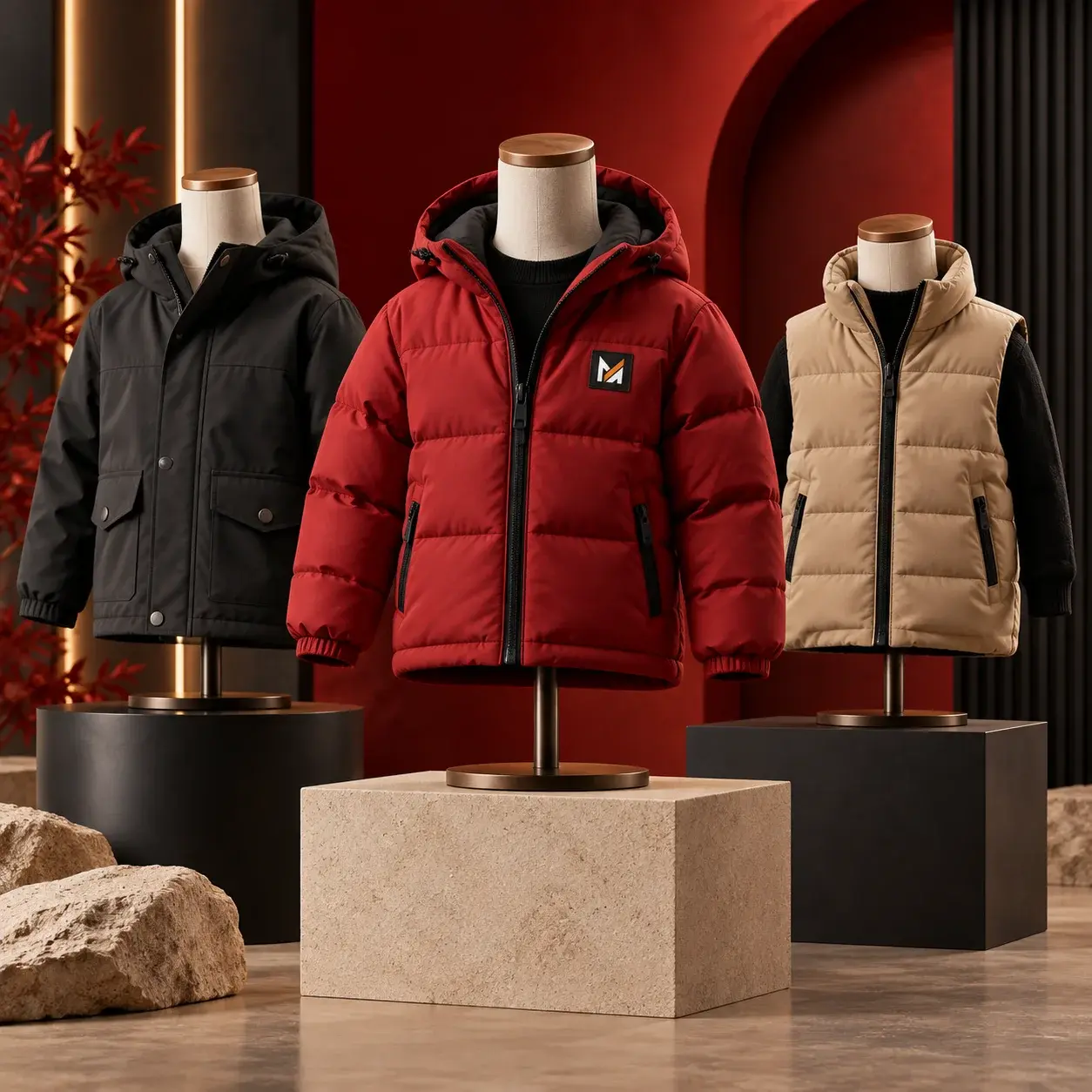
Jackets, vests, and windbreakers with elastic or snap closures instead of neck cords, reflective trim options, and lined bodies.
Baby Accessories
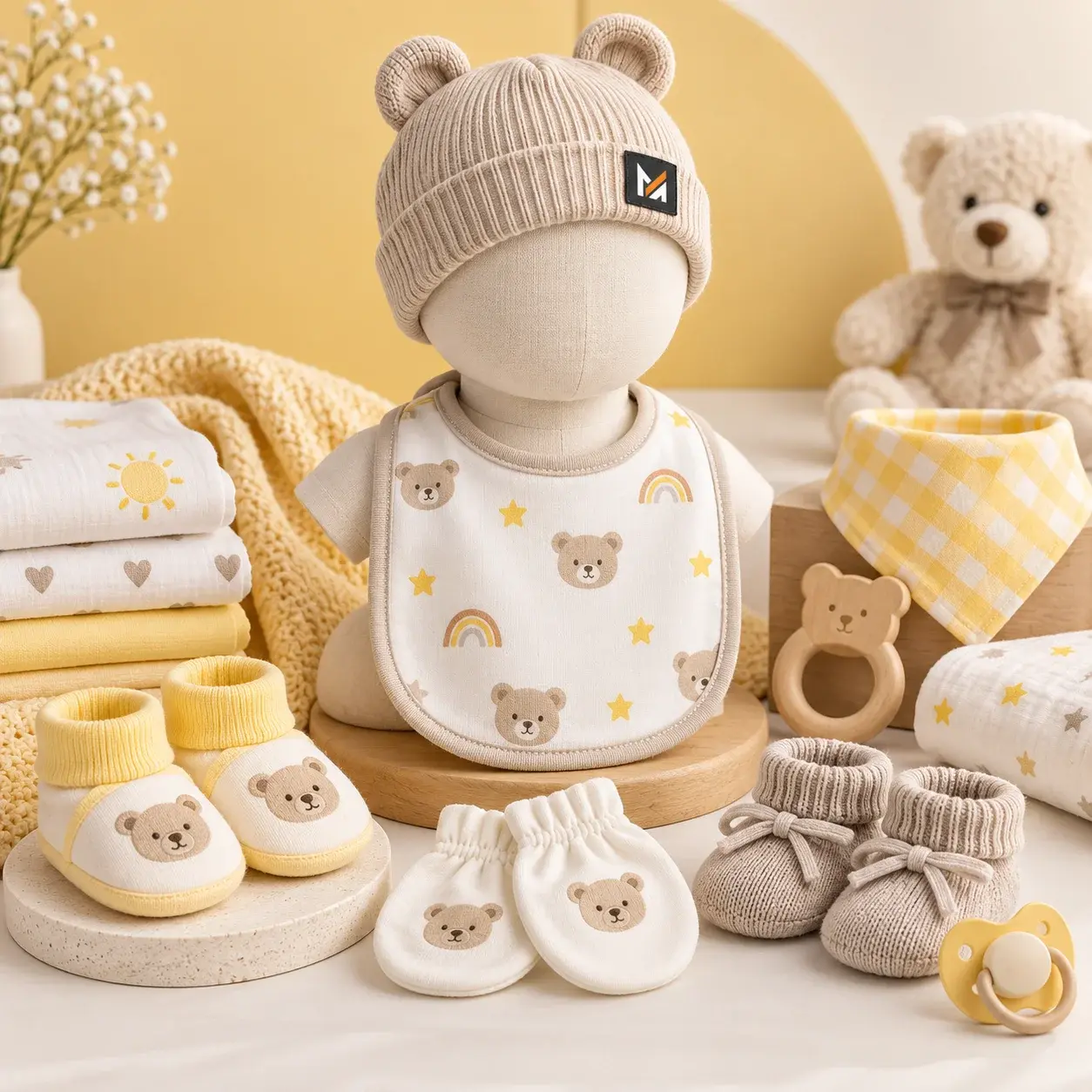
Bibs, beanies, mittens, booties, swaddles, and blankets, produced alongside apparel, so a gift set ships as one carton.
Kids Uniforms and Team Wear
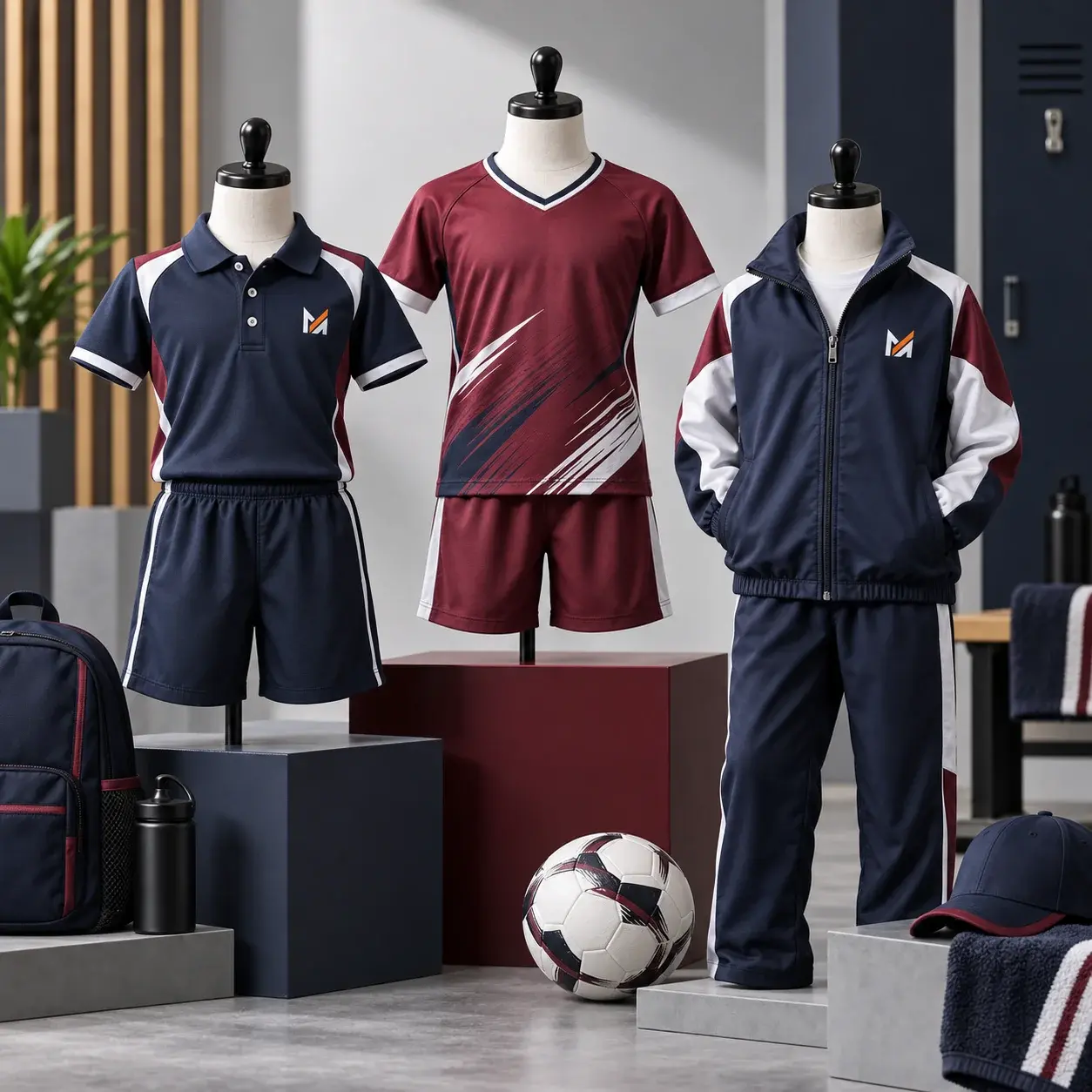
School polos, PE kits, and youth team apparel, graded across a full youth range.
Organic Baby Clothing
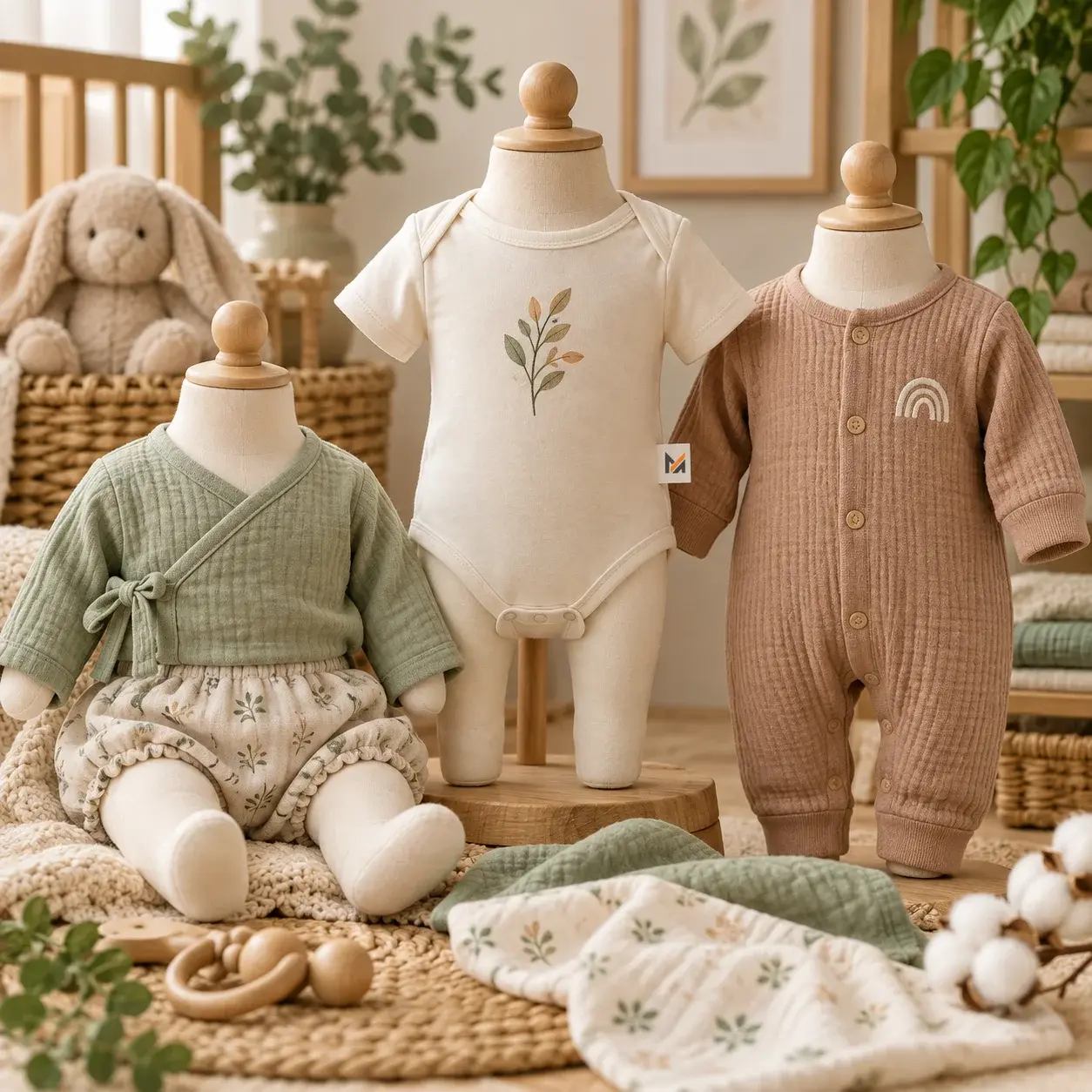
GOTS certified organic cotton and bamboo blends for brands whose customers read the label before they read the price.
Sizing and Grading For Children
Children's sizing runs on two overlapping systems, and they are not interchangeable.
| Range | Sizes | What changes in the pattern? |
|---|---|---|
| Baby | Preemie, newborn, 0 to 3M, 3 to 6M, 6 to 9M, 9 to 12M | Generous head opening, diaper allowance, snap access |
| Infant and toddler | 12 to 18M, 18 to 24M, 2T to 5T | T sizes are cut with a diaper allowance; plain sizes are not |
| Young child | 4 to 6X | Diaper allowance removed, longer torso and limb ratios |
| Youth | 7 to 16 | Closer to adult proportions, wider grade steps |
The 2T against 2 distinction is the one that catches people out. A 2T is drafted for a child still in a diaper, and a size 2 is not, so the two garments have different rises and different widths through the seat even though the label reads almost the same. Tell us which market you are selling into, and we will grade accordingly.
Children also grow through sizes fast, so your size ratio matters more than in adult apparel. We will recommend a split based on the range you are launching, and your graded spec stays yours if you ever move production.
Fabrics for Babywear and Kidswear
Fabric for children is chosen for softness against skin, for how it survives repeated hot washing, and for what the regulations allow. Those three do not always agree, which is why the choice is worth a conversation.
| Fabric | Weight | Used for | Why |
|---|---|---|---|
| Cotton interlock | 180 to 220 GSM | Onesies, bodysuits, sleepsuits | Soft, both faces, stable, holds shape through washing. |
| Cotton jersey | 140 to 180 GSM | Tees, dresses, lightweight tops | Light, breathable, and takes print well. |
| 1x1 and 2x2 rib | 200 to 240 GSM | Cuffs, necklines, fitted pieces | Stretch and recovery at openings. |
| Cotton spandex | 180 to 220 GSM | Leggings, joggers, fitted styles | Movement without losing shape at the knee. |
| French terry and fleece | 280 to 400 GSM | Hoodies, sweatshirts, joggers | Warmth with a soft brushed inner face. |
| Bamboo viscose blends | 180 to 220 GSM | Sleepwear, premium basics | Very soft, breathable, and temperature-regulating. |
| Organic cotton | Matches base fabric | Any style | GOTS-certified stock is available where documentation is needed. |
| Muslin and double gauze | 120 to 160 GSM | Swaddles, summer pieces | Airy, softens with every wash. |
| Woven cotton poplin | 110 to 140 GSM | Shirts, dresses, sets | Crisp finish, holds a print cleanly. |
All fabric is pre-shrunk and tested for shrinkage after wash, which matters more in this category than any other. Parents wash children's clothing hot and often, and a garment that shrinks two sizes in a month is the fastest way to lose a repeat customer.

Private Labeling For Baby Clothes
Every order ships under your brand. Nothing in the carton points back to us. In this category the label is a construction decision, not just a branding one. A stitched woven label at the neck scratches, which is why almost all of our private label baby clothes use tagless heat transfer printing at the center back or a printed satin label on the side seam instead.
Your labels carry fiber content, country of origin, care symbols, and your RN number in the format US retail expects, plus the CPSIA tracking information. Packaging runs the same way: branded poly bags, boxes, tissue, hang tags, and UPC or EAN barcodes applied per unit, ready for a boutique account or an FBA shipment.
How we check before shipping
Incoming fabric inspection on the four-point system, with GSM, width, and shade checked against the approved lot.
- Shrinkage testing after repeated hot wash cycles, since that is how this category is actually laundered.
- Colorfastness to washing, rubbing, and saliva, the last of which matters for anything a young child chews.
- Pull testing on snaps, buttons, bows, and appliques.
- Measurement audit across the full graded range rather than the middle size.
- Needle detection and metal-free packing before cartons are sealed.
- Final random inspection at AQL 2.5 for major defects.
Mega Apparel is ISO certified, and OEKO-TEX Standard 100 and GOTS certified materials can be sourced when your program needs documentation. Third-party safety testing is arranged with a CPSC-accepted laboratory, so your certificate rests on real reports.
Who We Manufacture for
- Startup babywear brands producing a first collection.
- Established kids wear labels, adding a season or replacing a supplier.
- Organic and sustainable children's brands.
- Boutiques and children's retailers building a house label.
- Gift and newborn hamper companies.
- Schools and youth sports programs.
- Wholesalers and distributors stocking for onward sale.
- Ecommerce and subscription box brands who need repeat reorders.

Frequently Asked Questions
35 pieces per style for logo and print work on our existing blocks, and 50 pieces per style per color for full custom cut and sew. Custom knitted or dyed fabric starts at 300 pieces because that is the mill minimum.
Yes. Children's products need third-party testing at a CPSC-accepted laboratory and a Children's Product Certificate. The certificate is issued by the US importer or domestic manufacturer, which means you issue it rather than the factory. We supply the test reports and production details you need to complete it.
It is a permanent mark on the product and the packaging identifying the manufacturer or private labeler, the date and place of manufacture, and the batch or run number, so goods can be traced in a recall. Children's products require one, and we build it into your care label and packaging.
Not at the hood or neck on regulated sizes. Children's upper outerwear from 2T to 16 with noncompliant drawstrings is treated as a substantial product hazard, so the safe design rule is no hood or neck cords on 2T to 12 and controlled length at the waist. We use elastic, snaps, or a covered cord instead, and the look holds up.
You can, but the fabric choice affects which compliance route you take. Untreated cotton, rayon, and modal typically fail children's sleepwear flammability testing, so natural fiber pajamas are usually designed to the snug-fitting route, which changes the fit and requires specific label and hang tag wording. We will walk you through this before you commit to a fabric.
A 2T is drafted for a child still in a diaper, so it has a different rise and more width through the seat. A size 2 is not. They are not interchangeable, and picking the wrong one is a common cause of fit complaints on a first run.
Cotton interlock between 180 and 220 GSM is the standard for onesies and bodysuits because it is soft on both faces and holds its shape through repeated hot washing. Jersey around 140 to 180 GSM suits tees and dresses, and bamboo blends are popular for sleepwear and premium basics.
Yes. Tagless heat transfer printing at the neck, printed satin labels, custom hang tags, branded packaging, and barcodes applied per unit. Nothing ships with our name on it.
Yes. Printed babywear is produced with phthalate-free and water-based inks as standard, which keeps you inside the restrictions on plasticized components and gives a softer hand against a baby's skin.